Sunset Hills Vineyard LLC     38295 Fremont Overlook Lane, Purcellville Virginia     540 882 4560       map
Hours of Operation:  Monday - Thursday  Noon - 5:00pm
Friday   Noon - 8:00pm
Saturday & Sunday  Noon - 6:00pm

Sunset Hills Vineyard: Turning Sunshine into Wine

Completing the Winery Roof


Solar Energy Powering
Sunset Hills

Just an hour outside Washington, DC, noise and congestion give way to rolling hills, horse farms and vineyards. It is here in Virginia, and at Sunset Hills Vineyard in particular, that green scenery and green technology make the perfect pair. We have installed 154 solar panels on the south-facing roofs of our winery and case storage buildings that will supply 100% our electrical needs, making Sunset Hills the largest producer of solar energy in Loudoun County to date.

Click Here for the Solar Energy Stats of Case Storage

Click Here for the Solar Energy Stats of the Winery

"All farmers and vintners rely on the weather - and the sun in particular - for the quality of their crops," says owner Mike Canney. "It makes sense to me to take it one step farther and to power our winery operations via the sun, as well."

This solar system will produce 50,000 kilowatt hours of electricity each year. That's the equivalent of planting about 160,000 trees and offsetting as much CO2 emissions that a small car produces driving 20.4 million miles!

"Turning sunshine into wine is something we've been doing for a while here at Sunset Hills," said Canney. "Converting the winery over to solar power is the next step in continuing to utilize the natural resources we all have available to us.

SSHV
SSHV


We are proud to make great wine and protect the environment at the same time."

Practicing sustainable agriculture and responsible environmental stewardship is important to us at Sunset Hills Vineyard, and solar power is just one the many ways we're doing it. Among others, we've implemented the following "Green" initiatives in our vineyards and tasting room to reduce our environmental impact...


Green Practices in the Vineyard

In an effort to reduce water waste, we practice "dry farming," meaning we do not irrigate, but let Mother Nature water our vines instead.


SSHV

We spray very little chemical pesticide and herbicides in our vineyard to avoid polluting the ground and surrounding water supplies.
We minimize the use of motorized vehicles such as tractors, employing manual labor instead to reduce energy usage and emissions.
Anything we use in the vineyard that might end up on the vineyard floor (like the fasteners we use to train our vines, for example)
are biodegradable.
We recycle vineyard waste (such as spent grape skins and pomace) back into the vineyard as fertilizer and weed controls instead of disposing of it in landfills.
We "cold stabilize" our wines, meaning we put barrels outside during the months that the weather is cold enough instead
of using refrigeration.
We also use underground and partially underground spaces for cooling instead of refrigeration.
We create plant environments that encourage environments to attract bluebirds and beneficial insects on our property.

Green Practices in the Tasting Room

SSHV

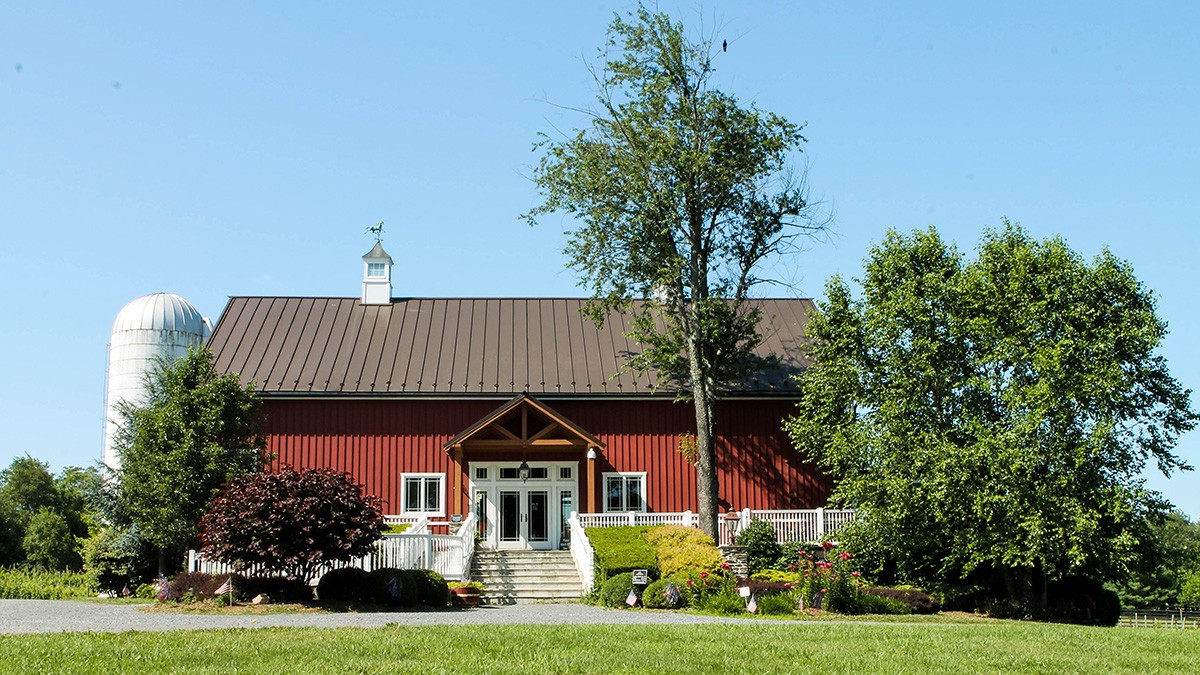
Instead of building new buildings and using new materials, we have repurposed and restored several existing 1870s era building on our property, including our 8,000 square foot tasting room barn and outdoor stone pavilion. We recycle and repurpose materials regularly.
Our case storage building was built into the earth taking advantage of natural cooling factors.
We have instated an extensive recycling program, recycling all paper, plastic, glass and cardboard. The only trash that goes in our dumpsters is food waste.
We use silverware and dishes whenever possible, and any plastic or paper plates or utensils are recycled.

Green Achievements

Virginia Green
http://www.deq.state.va.us/p2/virginiagreen/wineries.html

Certified Loudoun County Green Business
http://www.loudoun.gov/Default.aspx?tabid=3457